Preparedness plays a major role in supporting safety during demanding outdoor activities, field operations, and emergency response situations. Tactical gear users often rely on organized trauma care solutions that improve accessibility, efficiency, and confidence when quick medical support is needed. A well-planned setup allows individuals to respond calmly while maintaining focus in high-pressure conditions.
Why Trauma Care Preparation Matters
Reliable trauma care supplies help users handle injuries more effectively while reducing delays during emergencies. Organized medical components also improve mobility and convenience when operating in challenging environments.
Key benefits include:
- Faster access to emergency medical tools
- Better organization during stressful situations
- Improved readiness for unexpected injuries
- Greater confidence during field activities
- Efficient storage without unnecessary bulk
- Easier maintenance and supply replacement
Proper preparation encourages a smoother response process and supports better situational awareness during critical moments.
Essential Components For A Practical Trauma Setup
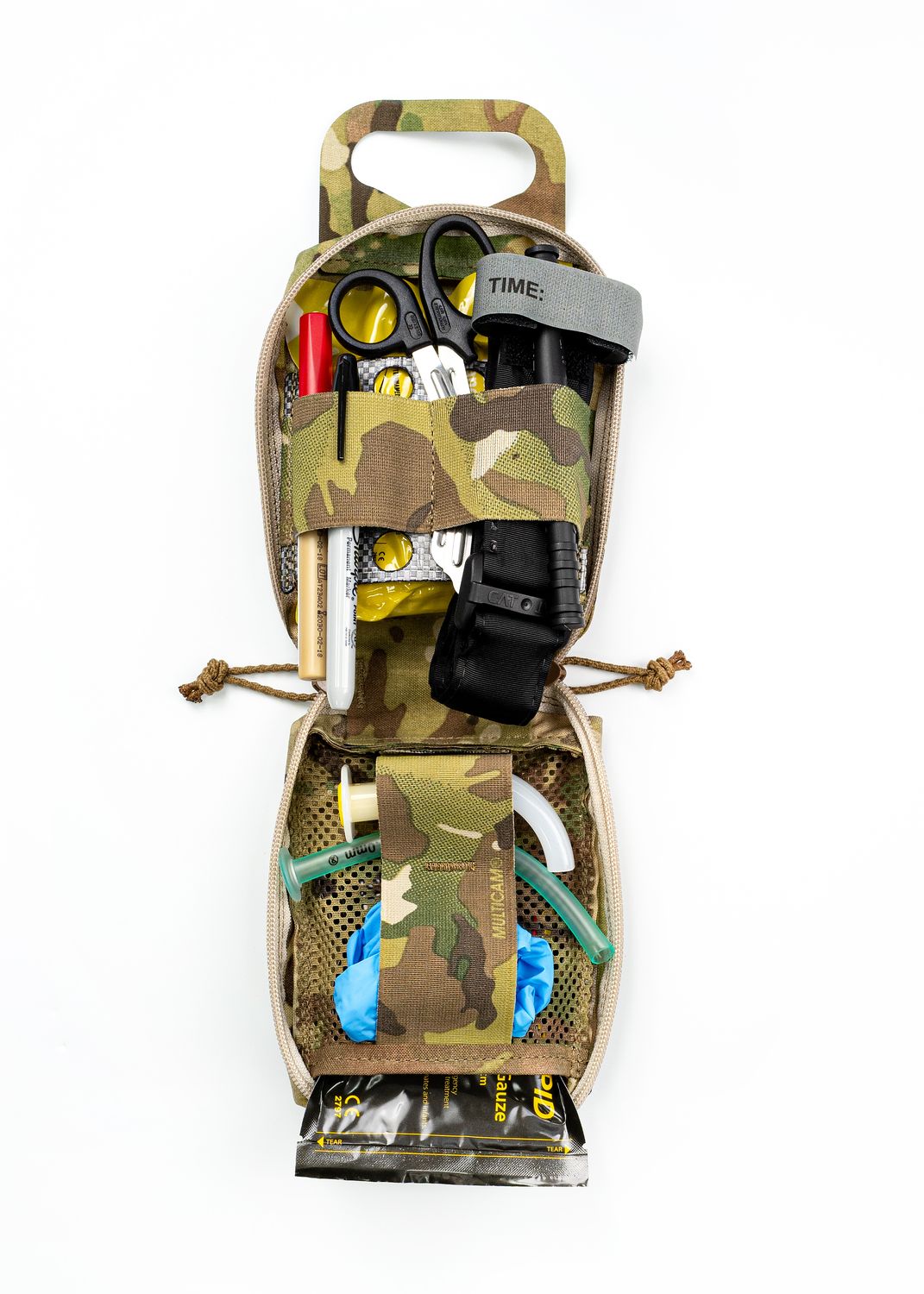
Tactical gear users often benefit from carrying compact and durable medical essentials that are easy to reach when needed. A balanced trauma kit focuses on both portability and effectiveness.
Important items commonly included are:
- Compression bandages for wound support
- Sterile gauze pads and rolled gauze
- Adhesive medical tape for secure placement
- Protective gloves for cleaner treatment practices
- Trauma shears for quick equipment access
- Chest seals for emergency wound management
- Emergency blankets for temperature support
- Tourniquet devices for bleeding control assistance
Keeping these components organized inside clearly labeled compartments can improve response time significantly.
Features That Improve Accessibility
A practical trauma care solution should be easy to carry while remaining accessible during movement. Tactical gear users often prefer https://rhinorescuestore.com/products/rhino-tactical-trauma-kitb-refill-ifak-with-metal-tourniquet lightweight storage options that allow rapid deployment without creating discomfort.
Helpful design features include:
- Tear-away pouch systems
- Adjustable attachment straps
- Water-resistant materials
- Clearly separated compartments
- Compact fold-out layouts
- Durable zipper closures
- Quick-grab handles
These features help maintain organization while supporting efficient access under pressure.
Smart Organization Strategies
Careful arrangement of trauma supplies can make a major difference during urgent situations. Grouping items by purpose allows users to locate equipment quickly without confusion.
Useful organization methods include:
- Placing bleeding control items in front compartments
- Separating protective gear from wound supplies
- Using color-coded storage sections
- Keeping frequently used tools within immediate reach
- Replacing used or expired supplies regularly
Routine inspection also helps maintain reliability and prevents missing items during emergencies.
Training And Familiarity Build Confidence
Even the best trauma care setup becomes more effective when users understand how each component works. Practicing emergency response techniques encourages faster decision-making and smoother coordination.
Helpful preparation habits include:
- Reviewing kit contents regularly
- Practicing equipment access drills
- Learning basic wound care procedures
- Understanding bleeding control methods
- Maintaining a consistent packing layout
Confidence grows when individuals become familiar with their gear and response process.
Building A Reliable Preparedness System
Practical trauma care solutions support tactical gear users by combining organization, portability, and accessibility into one dependable setup. Well-arranged medical supplies help improve readiness while supporting efficient response during unpredictable situations. With careful planning, consistent maintenance, and proper training, users can create a reliable trauma care system that promotes confidence, safety, and preparedness across a wide range of demanding environments.
