Selecting a printing process becomes easier when project goals, materials, design requirements, production volume, and finishing needs are considered together. Offset and flexographic printing each provides valuable capabilities for different applications. Understanding their characteristics helps production teams align the process with the intended result. A practical comparison of https://www.ketegroup.com/flexo-printing-vs-offset-printing/ can also help clarify how these established methods differ in operation and application.
Understanding Offset Printing
Offset printing uses an indirect ink-transfer process in which the image moves from a printing plate to a rubber blanket before reaching the final substrate. This approach supports precise reproduction of detailed graphics, smooth tonal transitions, and crisp text.
Offset printing can be particularly suitable when projects require:
- Fine image detail and accurate graphic reproduction
- Smooth, consistent color presentation
- Printing on flat paper or paperboard
- High-quality promotional or commercial materials
- Detailed layouts with sophisticated visual elements
The controlled transfer process makes offset a valuable option for projects where visual refinement and precise reproduction are important priorities.
Understanding Flexographic Printing
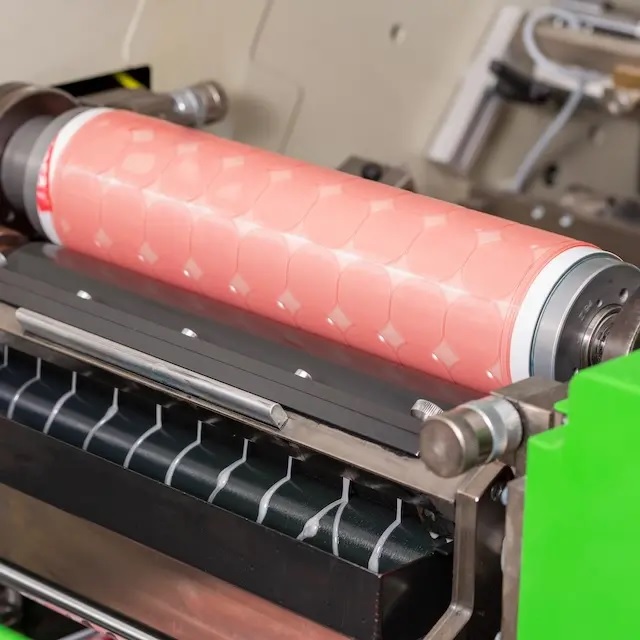
Flexographic printing uses flexible relief plates to transfer ink directly onto the selected material. Its rotary production structure supports efficient continuous printing and provides compatibility with a broad range of substrates, including paper, films, foils, labels, and corrugated materials.
Flexographic printing can offer strong benefits when projects emphasize:
- Flexible substrate compatibility
- Efficient continuous production
- Packaging and label applications
- Consistent results across extended production runs
- Integrated printing and finishing requirements
Modern flexographic systems also support detailed graphics and vibrant color reproduction, making the process increasingly versatile for contemporary packaging requirements.
Matching The Process To Project Goals
The most suitable printing method depends on how the finished product will be used. A project requiring intricate imagery on a smooth surface may align naturally with offset printing, while packaging that needs direct printing on flexible or textured materials may benefit from flexographic production.
Important considerations include:
- Substrate: Identify whether the material is paper, board, film, foil, or another surface.
- Artwork: Consider fine details, gradients, text, solid colors, and overall design complexity.
- Quantity: Review production volume and expected repeat orders.
- Speed: Determine the required production schedule and turnaround.
- Finishing: Consider whether coating, lamination, die-cutting, or other processes are required.
Building An Efficient Printing Strategy
Choosing between offset and flexographic printing does not need to be complicated. By evaluating the substrate, artwork, quantity, production speed, and finishing requirements together, businesses can create a printing strategy that supports dependable results.
Both methods continue to provide valuable capabilities across commercial and packaging applications. A project-focused approach allows each process to contribute where its particular strengths provide the greatest practical value, supporting consistent quality, efficient production, and attractive finished materials.
